 EN

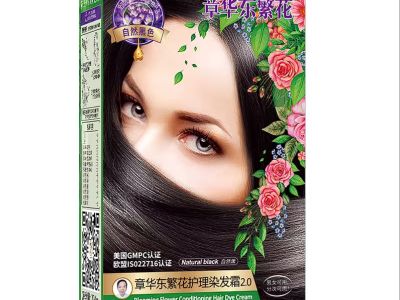
Hair colorant cream manufacturing is a specialized process that involves the creation of formulations tailored for different hair color categories. For businesses in the beauty and personal care industry, understanding the nuances of hair colorant cream quality, specifications, and sourcing options is crucial. This article addresses key concerns for B2B buyers, such as product quality, customization capabilities, and effective problem resolution. By exploring these topics, potential buyers can make informed decisions when selecting a supplier for hair colorant creams.
How to Evaluate Hair Colorant Cream Quality Standards
When assessing the quality of hair colorant creams, buyers should focus on several key standards. First, verify that the products are compliant with local and international regulations, such as those set by the FDA or ECHA. Look for certifications like ISO and GMP, which indicate that the manufacturing processes meet high-quality benchmarks. Additionally, scrutinize the ingredients used; plant-based formulations are increasingly popular and can appeal to health-conscious consumers.
Next, conduct visual and performance tests on samples to ensure they meet the expected color payoff, consistency, and application ease. A reliable supplier will allow buyers to conduct thorough testing, which should include checking for color stability, fade resistance, and skin compatibility. Reviewing customer feedback and case studies can also provide insights into the product’s real-world performance.
Lastly, understanding the supplier's quality control processes is essential. This includes how hair color monitor production, batch testing, and how they handle discrepancies. A robust quality assurance program is a strong indicator of a supplier's commitment to providing high-quality products.
Wholesale Options for Bulk Orders of Hair Colorant Cream
For businesses looking to purchase hair colorant creams in bulk, understanding wholesale options is vital. Suppliers like Taizhou Huangyan Zhanghua Cosmetic Factory offer competitive pricing for large orders, which can significantly reduce per-unit costs. When negotiating bulk orders, consider factors such as Minimum Order Quantity (MOQ), lead time, and available discounts for larger purchases.
It’s important to clarify the packaging options available for bulk orders. For instance, suppliers may offer various sizes—ranging from larger containers for salons to smaller packages for retail sale. Additionally, inquire about custom branding options, as private labeling can enhance your product’s market appeal.
Buyers should also discuss shipping costs and conditions. International shipping can impact delivery timelines and overall costs, so ensure you understand these factors when placing large orders. Requesting detailed quotations that break down costs associated with production, packaging, and shipping can help in making an informed purchasing decision.
Technical Specifications for Diverse Hair Colorant Formulations
The technical specifications of hair colorant creams vary significantly based on intended use and target market. Important factors include the pH level, viscosity, and the types of active ingredients used. For example, a cream designed for permanent coloring may have a different formulation than one intended for semi-permanent use.
When evaluating formulations, buyers should consider the desired performance characteristics, such as color intensity and longevity. hair dye also essential to assess the compatibility of the product with different hair types, as formulations may need to be adjusted for effectiveness on coarse, fine, or chemically treated hair.
Additionally, inquire about the stability of the product under various conditions, such as temperature fluctuations or exposure to light. This information is crucial for ensuring that the product maintains its quality throughout its shelf life. A knowledgeable supplier will be able to provide this data and assist in customizing formulations to meet specific client needs.
Common Hair Colorant Cream Problems and Effective Solutions
Even with high-quality products, issues may arise during application or post-application. Common problems include uneven color distribution, skin irritation, and color fading. To address these concerns, it's important to understand the formulation’s ingredients and their potential effects.
For instance, certain chemicals may cause allergic reactions in sensitive individuals. Suppliers can assist by providing detailed ingredient lists and offering alternatives for allergic-prone formulations. Conducting patch tests before full application can also help mitigate risks.
Another common issue is the fading of color over time. This can often be attributed to inadequate aftercare products or environmental factors. Suppliers should be able to recommend compatible shampoos and conditioners that help preserve hair color. Additionally, educating consumers about proper hair care post-coloring can enhance satisfaction with the hair colour for women.
When discussing potential problems with suppliers, it’s beneficial to ask about their experiences with similar issues and how they’ve resolved them in the past. Their industry experience can be a valuable resource for developing effective solutions.
Installation Guidelines for Hair Colorant Cream Applications
Proper application of hair colorant creams is essential for achieving desired results. Suppliers should provide comprehensive installation guidelines, including step-by-step instructions for both professionals and end-users. These guidelines should cover everything from preparation to application techniques.
First, ensure that the hair is clean and free from product buildup. This can significantly affect how the color adheres to the hair. Next, provide instructions on mixing the cream, including recommended ratios of colorant and developer, if applicable.
Application techniques can also vary; for example, techniques like balayage or foiling require different approaches than all-over color. Suppliers should offer guidance on achieving the best results based on the desired hair transformation.
Finally, include recommendations for processing times and how to monitor the color development during the application. Clear and concise guidelines can help end-users achieve professional results, fostering satisfaction and repeat business.
By addressing these critical areas, businesses can ensure they select the right supplier for their hair colorant cream needs. Understanding quality standards, exploring wholesale options, and evaluating technical specifications will empower buyers to make informed decisions that align with their business goals.