 EN

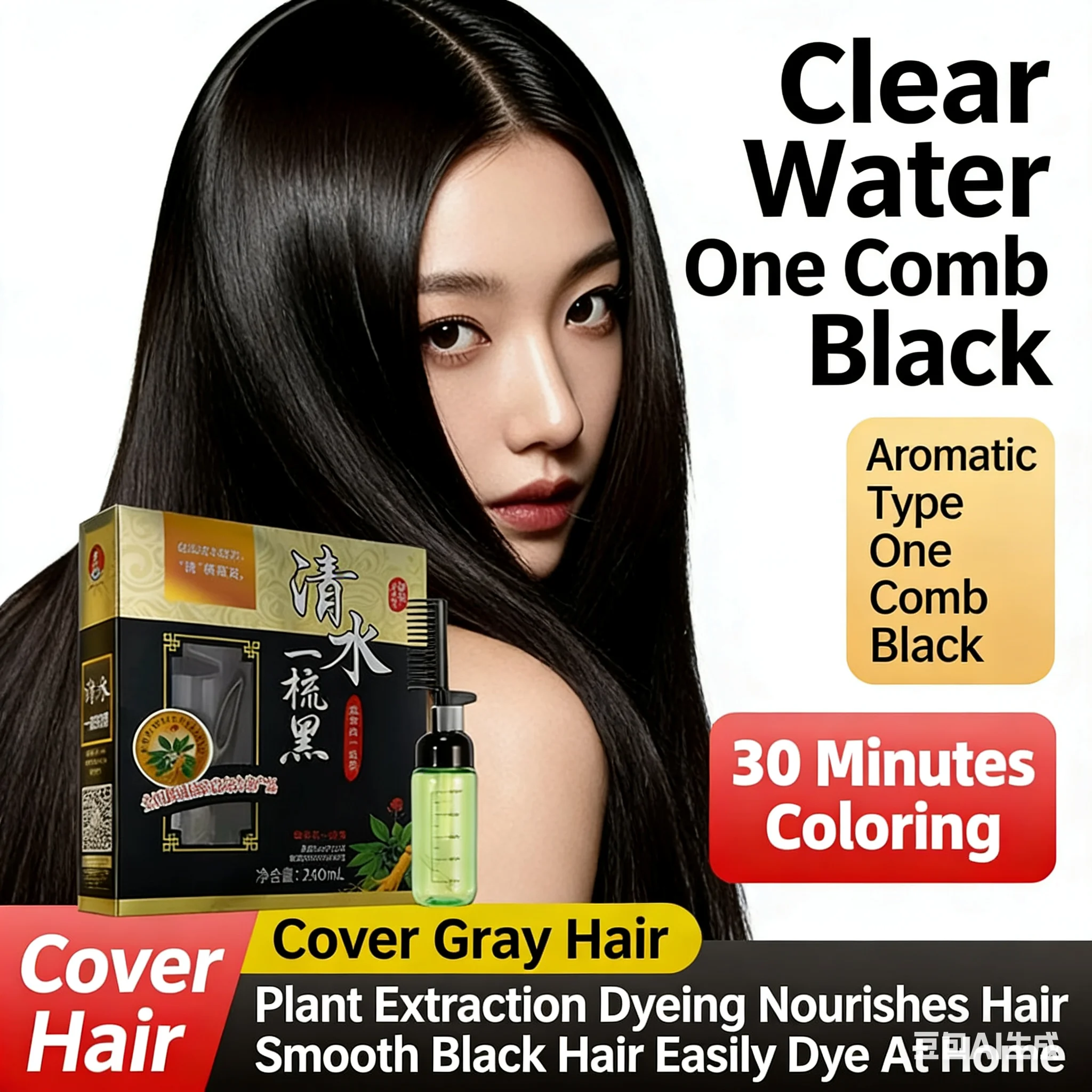
Hair colorant cream OEM production for international beauty brands involves a specialized process that combines quality ingredients, precise formulation, and reliable manufacturing practices. As a purchasing manager or distributor, your main concerns likely revolve around the quality, customization options, production capacities, and compliance with international standards. This article will guide you through evaluating suppliers, understanding specifications, and applying hair colorant creams, helping you make informed purchasing decisions.
How to Evaluate Quality in Hair Colorant Cream Suppliers
When sourcing hair color creams from OEM suppliers, assessing quality is paramount. Begin by verifying the supplier's certifications, such as ISO and GMP, which indicate adherence to quality management systems and good manufacturing practices. Additionally, inquire about their testing protocols for raw materials and finished products. Look for suppliers that perform stability tests and color fastness evaluations to ensure consistency and longevity of the product.
Another key factor is the supplier's experience in the industry. A manufacturer with a long track record, like Taizhou Huangyan Zhanghua Cosmetic Factory, can provide valuable insights into formulation trends and consumer preferences. Request samples to inspect the color, texture, and performance under actual usage conditions. This firsthand evaluation allows you to assess whether their products meet your brand's standards.
Essential Specifications for Hair Colorant Cream Production
Understanding the essential specifications of hair colorant cream production is critical to ensuring the product meets your requirements. Key parameters include:
Formulation Type: Identify whether you need permanent, semi-permanent, or temporary colorants, as each has different chemical compositions and application methods.
pH Levels: The pH balance affects hair cuticle opening and color retention. Most hair colorants should have a pH range of 9-10 for optimal performance.
Viscosity: The thickness of the cream influences application ease and adherence to hair. A viscosity of 3000-6000 cP is typical for effective products.
Shelf Life: Confirm the expected shelf life, which can affect inventory management and product turnover.
Discussing these specifications with your supplier helps clarify your needs and ensures they can deliver a product that aligns with your brand's quality standards.
Where to Find Reliable OEM Suppliers for Hair Colorant Cream
Finding reliable OEM suppliers for organic hair color creams involves thorough research and networking. Start by exploring industry trade shows and beauty expos, where manufacturers often showcase their latest products and innovations. This provides an opportunity for face-to-face discussions and to obtain samples.
Online platforms such as Alibaba and Global Sources can also be useful for identifying potential suppliers. However, ensure you conduct due diligence by checking reviews and seeking references from other brands that have collaborated with them. Networking within industry associations can also lead to recommendations of reputable manufacturers.
Local suppliers may offer advantages in terms of logistics and communication. For example, Taizhou Huangyan Zhanghua Cosmetic Factory, with its extensive export experience, can provide insights into international shipping and compliance with local regulations.
Professional Guidance on Hair Colorant Cream Applications
When applying hair colorant creams, understanding the application process is crucial for achieving the desired results. Key considerations include:
Preparation: Ensure the hair is clean and dry before application. Pre-treatment may include using a clarifying shampoo to remove product buildup.
Application Technique: Use appropriate tools like brushes or applicators for even distribution. Section the hair to ensure thorough coverage, particularly for longer hair lengths.
Processing Time: Adhere to the recommended processing time specified by the manufacturer. Over-processing can lead to damage and unpredictable color results.
Post-Application Care: Recommend sulfate-free shampoos and conditioners to maintain color vibrancy and hair health post-treatment.
By providing comprehensive guidance on application techniques, you can enhance customer satisfaction and minimize potential issues related to color application.
Ingredients in Hair Colorant Cream
The choice of ingredients in plant based hair color creams significantly impacts their performance and safety. Key components to consider include:
Colorants: Synthetic dyes are common for vibrant colors, while plant-based alternatives appeal to consumers seeking natural options. Ensure any colorants used are approved for cosmetic use in your target markets.
Conditioning Agents: Ingredients like hydrolyzed proteins and oils help maintain hair health during the coloring process. These can enhance shine and reduce damage.
Preservatives: These are essential for preventing microbial growth. Look for suppliers that use safe, effective preservatives to extend product shelf life.
Thickeners and Emulsifiers: These ingredients help achieve the desired texture and consistency, making the cream easier to apply.
Understanding these components allows you to make informed decisions about product formulations that align with your brand values and customer expectations.
By focusing on these areas, you can enhance your understanding of hair colorant cream OEM production, making it easier to select the right supplier and product that meets your brand's needs.