 EN

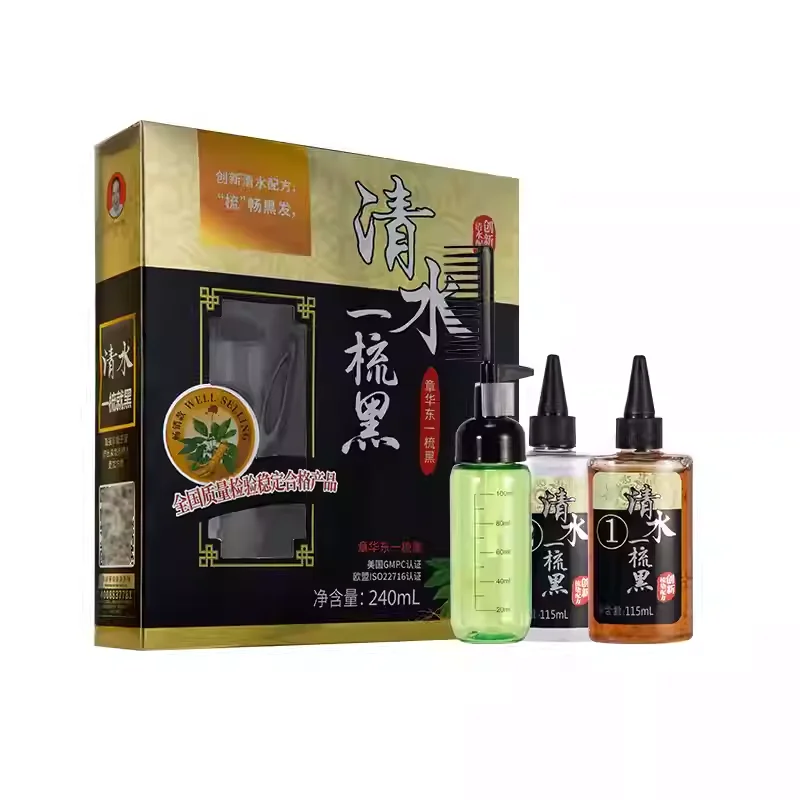
In the competitive landscape of commercial hair care products, achieving precise hair dye cream filling accuracy is crucial for ensuring product consistency and meeting customer expectations. As buyers and manufacturers grapple with quality control, formulation integrity, and compliant packaging, understanding how to evaluate hair dye cream quality becomes paramount. This article will equip purchasing managers and product managers with essential insights into evaluating hair dye cream quality for bulk orders, choosing the right suppliers, and ensuring optimal filling accuracy for hair dye creams.
How to Evaluate Hair Dye Cream Quality for Bulk Orders
When sourcing hair dye cream for commercial use, quality evaluation should be thorough and multi-faceted. Start by assessing the manufacturer's certifications, such as ISO and GMP, which indicate adherence to international quality standards. Look for clarity in the formulation details, especially if the product claims to be plant-based or contains specific active ingredients.
Request samples to evaluate the physical properties of the hair dye cream, including consistency, viscosity, and color matching. A sample should also be tested under actual operating conditions to ensure that it meets performance expectations when applied. This real-world testing can reveal potential issues, such as incompatibility with existing production processes or unexpected reactions during application.
Additionally, inquire about the manufacturer's quality control processes. Understanding how they monitor production consistency and how often they conduct testing can provide insight into the reliability of the product.
Choosing the Right Supplier for Hair Dye Cream Production
Selecting the right supplier for hair dye cream production is a critical decision that can affect product quality and supply chain stability. Begin by evaluating the supplier’s manufacturing capabilities and experience in the industry. A company like Taizhou Huangyan Zhanghua Cosmetic Factory, with over four decades of experience and a diverse portfolio of formulations, can often provide a more reliable product than newer entrants.
Consider the supplier’s ability to customize formulations per your specific requirements. Suppliers who can tailor their products to match unique branding or performance attributes can significantly enhance your market offering. It’s also vital to assess their production capacity and lead times, as these factors impact your ability to meet customer demands.
Lastly, review customer testimonials and case studies to gauge the supplier's reputation. Engaging with existing clients can reveal insights into the supplier's reliability, customer service, and responsiveness to issues.
Specifications for Hair Dye Cream Filling Accuracy You Should Know
Filling accuracy is paramount when dealing with hair dye creams. Specifications such as volume precision, weight variations, and fill levels should be clearly defined. Most manufacturers recommend a filling tolerance of ±0.5% to ensure that each unit meets consumer expectations and regulatory compliance.
Understanding the machinery used in the filling process is also crucial. Different filling machines may handle varied viscosities and chemical compositions differently. Ensure that the chosen filling equipment is compatible with the hair dye cream to prevent issues such as overflow, under filling, or contamination.
Moreover, consider the packaging type. The choice of packaging material can influence how well the product preserves its quality and effectiveness. Organic hair dye creams often require barrier properties to protect against light and moisture, so selecting the right packaging can significantly enhance shelf life.
Applications of Hair Dye Cream in Commercial Hair Care Products
Hair dye creams have a wide range of applications in the commercial hair care sector, from home applications to salon treatments. Each application may require different formulations. For instance, at-home products may need to prioritize ease of use and safety, while professional products might focus on color vibrancy and longevity.
Formulations can also vary based on the target demographic. For example, products aimed at sensitive skin may incorporate more natural ingredients to minimize irritation. Understanding these application requirements can help buyers select the appropriate formulations that align with their brand's positioning and market needs.
Additionally, consider the regulatory environment in the target markets. Different countries may have varying regulations regarding ingredients, labeling, and safety, which should be factored into product selection and development.
Comparing Hair Dye Cream Options for Optimal Wholesale Purchasing Decisions
When making wholesale purchasing decisions for hair dye creams, a systematic approach to comparison can yield the best outcomes. Start by creating a matrix that outlines key specifications for each product option, including formulation ingredients, packaging options, pricing, and supplier reliability.
Evaluate the cost-per-unit against the quality and performance of the hair dye cream. A lower price may not necessarily equate to a better value if the product requires more frequent reorders due to quality issues. Furthermore, consider the minimum order quantities (MOQs) and lead times, as these can impact cash flow and inventory management.
Request detailed product data sheets from potential suppliers, as these documents should provide comprehensive insights into formulation characteristics, shelf life, and safety data. Understanding the total cost of ownership, including shipping fees and potential duties for imported products, is also crucial for making informed purchasing decisions.
Focusing on natural organic hair dye filling accuracy for commercial hair care products involves a rigorous evaluation of quality, supplier capabilities, and specifications. By implementing a strategic approach to supplier selection and product assessment, purchasing managers can ensure they make informed decisions that align with their brand goals and customer expectations.
Table of Contents
- How to Evaluate Hair Dye Cream Quality for Bulk Orders
- Choosing the Right Supplier for Hair Dye Cream Production
- Specifications for Hair Dye Cream Filling Accuracy You Should Know
- Applications of Hair Dye Cream in Commercial Hair Care Products
- Comparing Hair Dye Cream Options for Optimal Wholesale Purchasing Decisions